
 Renesas Electronics Corporation has introduced the newest device in its Automotive HD Link (AHL) portfolio that enables automotive manufacturers to deliver high-definition video over low-cost cables and connectors. The new RAA279974 4-channel AHL video decoder processes four input sources simultaneously, making it a cost-effective solution for surround vision and multi-camera applications.

Renesas video decoder enables low-cost cables and connectors to transmit HD video
Roberto Magalhães Renesas Electronics Corporation has introduced the newest device in its Automotive HD Link (AHL) portfolio that enables automotive manufacturers to deliver high-definition video over low-cost cables and connectors. The new RAA279974 4-channel AHL video decoder processes four input sources simultaneously, making it a cost-effective solution for surround vision and multi-camera applications.
Conteúdo relacionado
-

Common Lisp vs. Scheme: Explorando a Programação Funcional Acadêmica
A programação funcional tem sido um campo fascinante na ciência da computação, com linguagens como Common Lisp e Scheme desempenhando papéis importantes no desenvolvimento dessa paradigma. Neste ar...
-

Aço Damasco - Aplicações e Inovação
O aço damasco é um material fascinante que tem cativado a imaginação de artesãos, engenheiros e entusiastas por séculos. Sua história remonta à antiga Índia e ao Oriente Médio, onde foi comercializ...
-
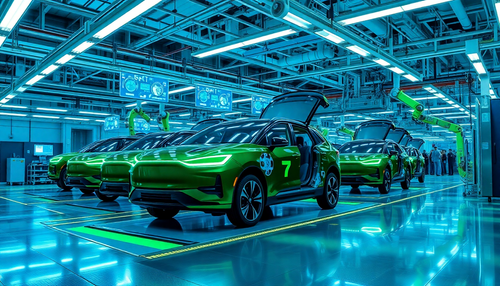
Incentivos Fiscais de R$ 3,8 bilhões em 2025: Programa Mover na Indústria Automotiva
Em um cenário de constante evolução e desafios, a indústria automotiva brasileira recebe um impulso significativo com a implementação do programa Mover. Esse decreto regulamentador prevê a concessã...
-

Toyota e Suzuki unem forças para lançar novo SUV Elétrico em 2025
Em uma movimentação estratégica no mercado automotivo, as gigantes Toyota Motor Co. e Suzuki Motor Corp. anunciaram uma colaboração histórica no segmento de veículos elétricos (EVs). O resultado de...
-

Ascensão da BYD: Como a marca Chinesa está desafiando a Tesla
A BYD, marca que começou com a produção de baterias e hoje desafia gigantes globais, está mudando o cenário da indústria automotiva com uma trajetória que exemplifica o poder da inovação e da expan...
-
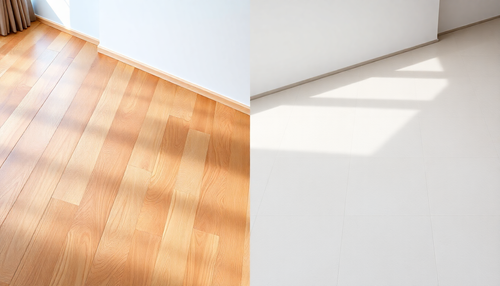
Pisos de Madeira vs. Pisos de Cerâmica: Qual é a melhor opção para sua casa?
Ao escolher o piso ideal para sua casa, você provavelmente se depara com a decisão entre pisos de madeira e pisos de cerâmica. Ambos os tipos de piso têm suas próprias vantagens e desvantagens, e a...
-
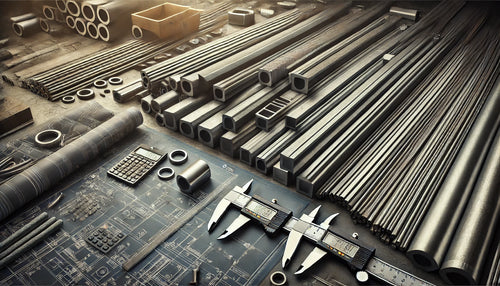
Cálculo de Esforço Torsional em Barras de Aço
Cálculo de Esforço Torsional em Barras de Aço O cálculo de esforço torsional em barras de aço é uma ferramenta essencial na análise de estruturas metalúrgicas, permitindo calcular o esforço aplica...
-

Produção de Aço no Brasil registra crescimento em Fevereiro de 2025
A indústria siderúrgica brasileira deu sinais de recuperação em fevereiro de 2025, com a produção de aço bruto atingindo 2,7 milhões de toneladas, um aumento em relação às 2,6 milhões de toneladas ...
